For HOA boards
Get proposals. Hold the vote. Keep the record.
Verified local vendors send proposals on the work your community needs, and your board reads them side by side and votes. Whoever signs for your community signs the one it picked. Every visit, photo, and invoice after that lands in one login.
- Proposals from insured vendors
- One login for every vendor
- Every visit recorded with photos
Opening your community is free, and you commit to a company only when someone signs for it. Already on VendoRFP? Start with whoever holds the account, and they can give you a board login of your own, set to what the board needs to see.

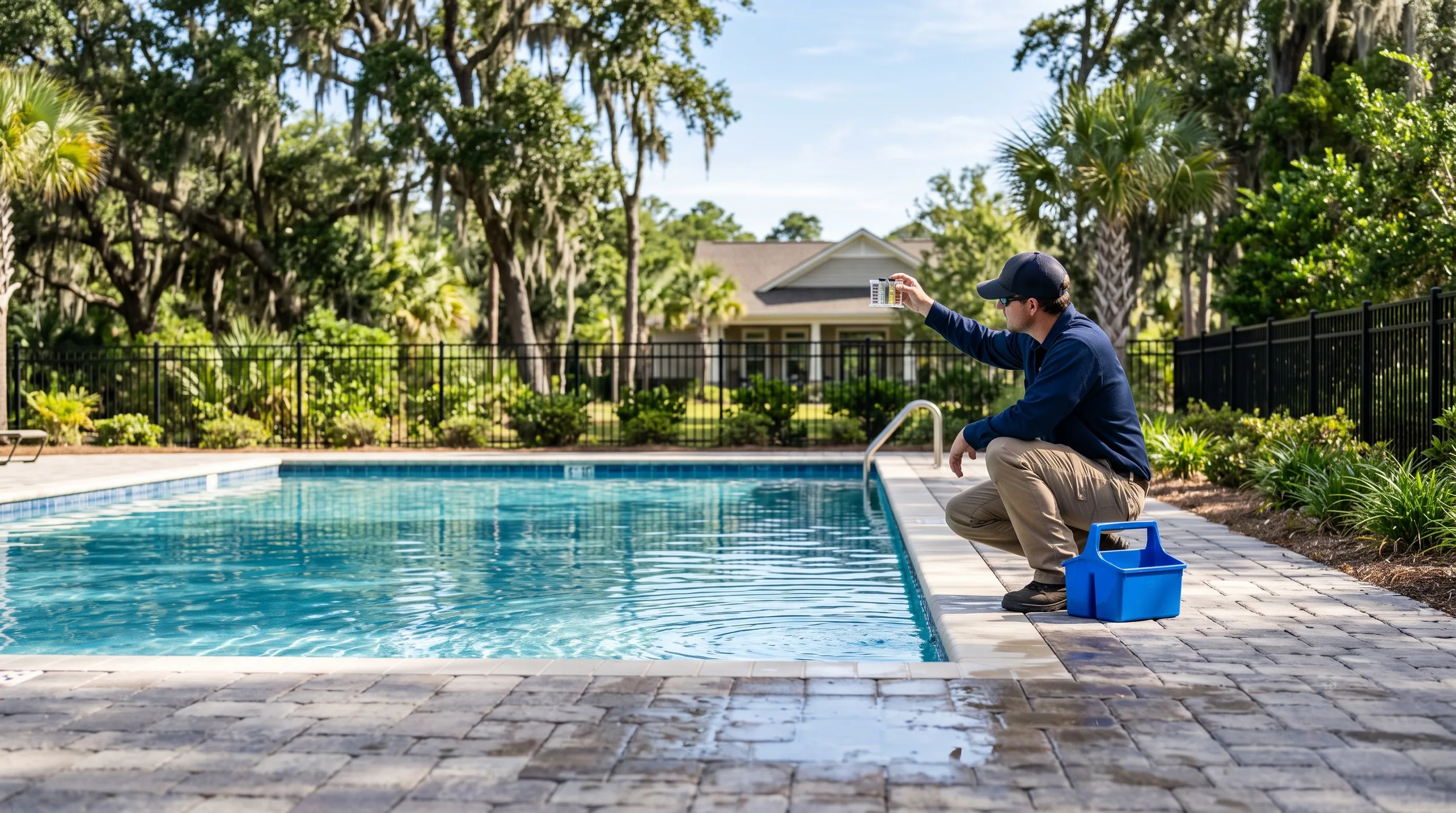
Getting proposals
Four companies propose. Your board picks one.
You post the work once. Local companies, insurance verified, each send back their own proposal. Your board reads them side by side and hires the one it wants.
The board vote
The board votes and the tally goes on record.
Every board member gets their own link to the proposals. The tally and a record you can print into the minutes come off the same page.
Insurance
Insurance is verified before anyone proposes.
A worker for an uninsured company gets hurt on your common property. The association can end up on the hook. So a lapsed policy pauses that company’s proposals.
| Before a company can propose here | 3 documents, the same number whichever trade you are hiring |
|---|---|
| An insurance line that lapses | Proposals stay open 30 days while the renewal certificate reaches us |
| A trade license or background check that lapses | Proposals close that day. VendoRFP closes them |
Every certificate on file carries its expiration date, and VendoRFP checks those dates twice — when a vendor proposes on your work, and again when you send that company out to the community. Chasing a COI stops being your board’s job. Credentials vary by trade: a CPO card for pool, auto liability for landscaping, a background check for porter and amenity staffing, and a pest license for pest control. A staffing company that puts lifeguards on a pool deck files a fourth document as well: a current lifeguard certification.
When something happens on common property, the association’s carrier asks what the board checked before the work started. The answer is a document with a verification date and an expiration date on it.
Your dashboard
One login for every company you hire.
Drop a pin to ask for service. Every company, invoice, work order and photo lands in the same login. Each company’s insurance shows on its card.
Example company, on the vendors page of that dashboard. Every certificate a company files with us is listed under its name with the date it runs out, and the three documents a pool proposal turns on are named underneath.
Pricing
See a starting number before the first proposal arrives.
Private home lots come out of the outline before anything is priced. Put your address in and a range comes back. Free, no login, nothing published. The proposals are the prices.
Basis: netted
© Mapbox © OpenStreetMap © Maxar- Common area — the estimate basis
- Community boundary
- Gross outline
- 69.0 ac
- Homes, streets and pondsPrivate home lots (377) · Streets (55) · Ponds & parking (4)
- −25.5 ac
- Common-area grounds
- 43.5ac
A landscaping estimate starts from this number. The vendors that propose set the price.
This is a real community, and yours comes up the same way on a satellite map your team can reshape. Treat the acres as a not-to-exceed figure.
Common area
Vendors propose on turf, beds, and pool water.
Turf
Common lawn, mown and edged on a schedule.
Beds
Planting beds, their mulch and their edge.
Water
The pool, its chemistry and its deck.
The RFP engine
Your RFP writes itself.
- Compose
- Drafted for you
- Your RFP
- Proposals
Plain words are fine. Say it the way you would say it to the board.
Say what you need — or hand it the finished RFP your attorney has been through.
When budget season comes and somebody asks what this does to dues, a yearly total is the wrong unit. The cost-per-home calculator divides a proposal across the homes that pay the assessment and gives you the monthly figure. No account, and nothing you type leaves your browser.
Before and after
Your board does the same seven jobs in one login.
| Most volunteer boards, today | The same job here | |
|---|---|---|
| Getting proposals | Cold-call three vendors, wait for callbacks | Verified vendors send you their own proposals |
| Checking insurance | A PDF somebody emailed last year | Expiration on file. A lapse stops proposals |
| Proof a visit happened | Whatever a homeowner remembers | Time-stamped photos and readings, on file |
| Deciding as a board | A show of hands, then minutes | A ballot per member, tallied and recorded |
| Paying the vendors | Three invoices, three formats, three terms | Every invoice, one view, standardized terms |
| Knowing what the year cost | Add up last year’s invoices at budget time | Spend to date, committed, and last year |
| Turnover next January | Forward a year of email | Hand over one login |
Every company still sends its own invoice.
Board FAQ
Eight questions boards ask before a meeting.
01Can a self-managed board run all of this without a management company?
That is what your dashboard is for. Verified local vendors propose on the services you ask for. You read the proposals side by side, put them to a board vote, and sign with the one the vote picked. Every visit, photo, and invoice after that sits under your community. The board holds the account, signs the contracts, and pays each invoice. If your board later decides it does want professional management, you can open the community to verified management companies and read their proposals the same way. That part is a side offering.
02We already have a community manager. Is this still for us?
Yes, and you don't run a second copy of anything. Your manager works the same community record you do: the same vendors, work orders, invoices, and photos, under one subscription. What differs is how much each of you is handed. Your manager holds the account and everything that comes with running it. Your own login holds what a board governs. That is the service orders behind and ahead of you, the schedule, the proposals and the votes on them, and a request queue that lands on whoever runs the community. It is one community underneath either way, so nothing has to be typed in twice or squared up between you.
03Can I just sign up as a board member?
You sign up as your community’s representative, which is exactly what a board member who deals with the vendors is. If you are the first one here from your community, that is your route in, and you get the whole dashboard: the RFPs, the side-by-side proposals, the mapping tool, the invoices, all of it. If your community already has an account, whoever holds it gives you a board login of your own instead. That login is narrower on purpose: the service orders behind and ahead of you, the schedule, the proposals and the votes on them, and a request queue that lands on whoever runs the community. The invoices, the account settings, and the API keys stay with whoever holds the account.
04Does the whole board have to be involved?
No. The account belongs to the community’s main contact. On a self-run board that is usually whoever deals with the vendors. You request service, read the proposals, approve the work, and pay invoices from one login. At turnover you hand that login to the next person instead of forwarding a year of email. If you want the rest of the board in, you can give each of them a login of their own: the service orders behind them and ahead of them, the schedule, the proposals and the votes on them, and a way to raise a request with you. The company list and the message thread are yours to switch on for each one. The invoices and the account settings are not on a seat at all, and stay with you. If the community’s account is yours, it is the Board Seats tab in your dashboard. You add their email, tick what they may see, and send them the link it gives you. If it is somebody else’s, they set the logins up.
05Who signs for your community?
Whoever normally signs for it. On plenty of associations that is the board. On plenty of others it is the president or the treasurer signing, or the community manager signing on the association’s instruction. The person signing types their name and, if they want it on the record, what they are signing as: “Board President”, “Treasurer”, “Senior Community Manager”. Both go onto the signed agreement beside the date. A year later the document says who committed the community and in what capacity, instead of leaving a name nobody can place. VendoRFP writes down the title as stated, and what its own records showed that day. It does not read your governing documents and does not confirm who is authorized to commit the association. That stays with you.
06What kinds of vendors propose?
Pool maintenance, lawn and landscaping, porter and common-area cleaning, and amenity or gate staffing. You pick the services your community needs. Local vendors propose on each one.
07What if a vendor stops doing the work?
You have the record before you have the conversation. The visits, photos, and missed dates are time-stamped under your community. The board raises it from evidence rather than from what a homeowner remembers. If it does not improve, ask for replacement proposals and move. Those vendors are already verified, so it is days rather than a search and a new RFP mid-season.
08What does it cost to get started?
Asking for proposals is free. You see each vendor’s own price before you commit to anything, and the figure it asked for is the figure the board pays. Sales tax and payment processing are their own lines. Start with an estimate for your community to see what your services would run.
Run a management company?
First community free · No obligation
Run a service company? Join VendoRFP for free.